An Comprehensive Reference to Retro Clothing: Tips for Uncovering Authentic Pieces
The sphere of classic garments brings a wonderful amalgamation of past events and taste. Each piece holds its own chronicle, capturing the era-specific nuances of its timeframe. Sourcing legitimate merchandise, still, necessitates learning and resolve. From detecting excellent textiles to mastering distinct style periods, the activity can be satisfying and challenging alike. As seekers hunt for perennial wardrobe essentials, they must also weigh how to care for their vintage treasures for future decades. What vital recommendations emerge for those willing to explore this territory?
The Weight of Antique Wear
The allure of classic garments lies in its rich history and historical importance. Each piece carries a story, often reflecting the social dynamics, style influences, and craftsmanship of its time. By wearing classic clothing, individuals connect with the past, celebrating eras characterized by distinct styles and values. This connection fosters a sense of self-expression and individual creativity that modern clothing often lacks.
In addition, used fashion reinforces ecological balance in an domain notorious for waste. Selecting pre-owned garments minimizes the demand for fast fashion, which harms the surroundings. Vintage enthusiasts support the appreciation of excellence above volume, stressing perpetual aesthetics that rise above momentary fashions.
Essentially, used garments proves valuable not only for its artistic merit but also for its role in preserving cultural heritage and promoting mindful purchasing. By valuing these garments, individuals help drive a broader conversation about dress, history, and environmental consciousness.
Reference for Sourcing Real Vintage Collectibles
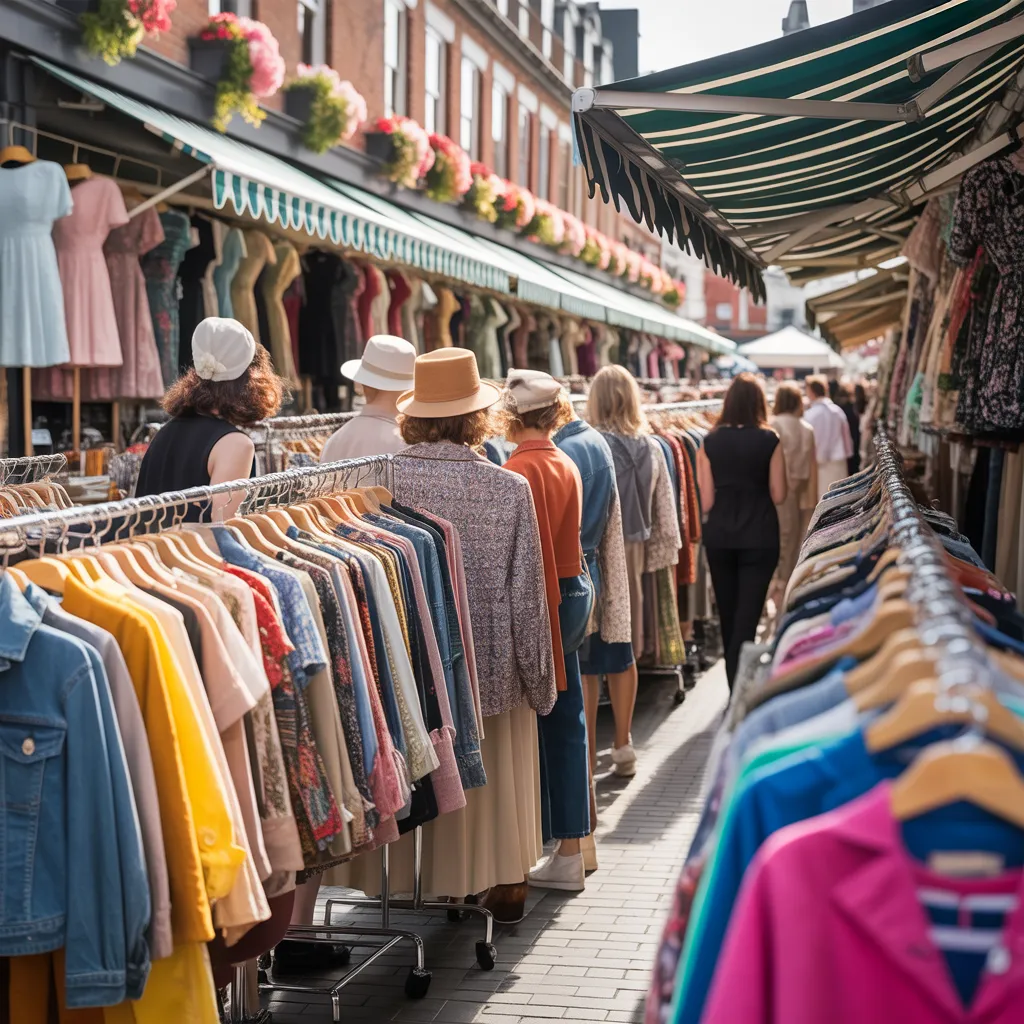
A vast number of venues exists where enthusiasts can find true vintage pieces, each featuring special finds. Thrift stores and consignment shops are rich sources, often holding forgotten garments that tell stories of the past. Estate sales and auctions can important resource yield impressive discoveries, allowing buyers to explore entire collections put together over decades. Online marketplaces, such as Etsy and eBay, provide entry to a global inventory of vintage clothing, while social media platforms frequently host sellers specializing in vintage fashion. Vintage fairs and pop-up markets present opportunities to browse selected selections from various vendors, fostering a sense of community among collectors. Additionally, vintage boutiques, often located in trendy neighborhoods, feature carefully selected pieces with a focus on quality and authenticity. Each venue presents its own charm and chance for finding that ideal vintage item, making the hunt an key part of the experience.
How to Determine Quality Materials and Construction?
When evaluating vintage clothing, comprehending material makeup is vital for establishing quality. Additionally, recognizing effective stitching techniques and identifying labels can provide important insights into a garment's craftsmanship. These factors collectively enhance the ability to discern genuine antique items from inferior options.
The Importance of Fabric Structure
Quality textiles constitute the cornerstone of antique garments, often shaping both appearance and durability. When assessing fabric composition, attention should be paid on the material types, such as cotton, wool, silk, and linen. Natural fibers typically signify premium quality, delivering air circulation and strength. In contrast, synthetic materials may indicate a more recent manufacturing period, potentially compromising authenticity.
Furthermore, the substance of the fabric can show its quality; weightier options often hint at a more resilient construction. Texture is also important; a superbly constructed vintage piece should feel considerable and refined to the touch. Developing knowledge on common blends and fabric care can enhance the knack to discern exceptional pieces, making informed choices when curating a vintage wardrobe.
Stitching Techniques Insight
Evaluating sewing methods reveals much about the quality of vintage clothing. Quality garments often feature uniform, secure stitches that demonstrate skillful construction. When examining seams, one should look for a consistent thread tension and absence of fraying. Double-stitched or reinforced areas indicate durability, while hand-stitched details can signal higher craftsmanship. Additionally, the type of stitch—such as straight, zigzag, or overlock—can provide insights into the garment's intended use and age. Edges that are finished with clean hems or bias tape suggest meticulous attention to detail. Finally, reviewing the overall alignment of patterns and motifs can further confirm authenticity, as misaligned prints may signal a less reputable piece.
Label Interpretation Suggestions
How can one properly identify the quality of vintage clothing by its labels? First, analyzing the label can show the brand's history and era. Established labels often demonstrate premium craftsmanship. Next, assessing the fabric content is necessary; natural fibers like silk, wool, and cotton usually indicate superior quality over synthetic alternatives. Additionally, the label’s care instructions can offer information about the garment’s durability.
Construction aspects, such as seam finishes and the presence of interfacing, improve the assessment; properly made pieces tend to last longer. Finally, vintage labels themselves can act as indicators of genuineness. By combining these elements, one can make informed decisions when choosing vintage clothing that stands the passage of time.
Identifying Vintage Fashion Eras
Many lovers cherish the character of vintage clothing, yet recognizing the precise style eras can be a nuanced endeavor. Each era, from the 1920s flapper dresses to the 1980s power suits, showcases distinct characteristics that define its aesthetic. Familiarity of historical context, containing fashion trends and cultural dynamics, is essential for exact classification.
The 1930s highlighted graceful outlines with bias-cut fabrics, while the 1940s introduced functional styles due to wartime restrictions. The 1960s featured bold prints and styles aimed at the youth, in sharp contrast to the more traditional appearances of the 1950s. The 1970s embraced free-spirited fashions and diverse designs, while the 1980s preferred exaggerated shapes and bright hues.
Enthusiasts can sharpen their abilities by examining fashion history, analyzing garment construction, and recognizing signature details. This knowledge not only improves appreciation but also helps in curating a wardrobe that truly captures the charm of each vintage era.
Need help negotiating costs at Vintage Shops?
When interacting with shop owners, a genial disposition can nurture a positive atmosphere. Shoppers may commence by complimenting the items before proposing their quoted price. Pointing out any marks or wear can justify a lower offer, but it's essential to remain respectful and open to dialogue.
Proposing a combo package for various products can also inspire a more favorable cost. Ultimately, productive discussions relies on the skill to maintain assertiveness with consideration, making sure that all involved are content with the conclusion. With practice, consumers can enhance their skills and render collectible pieces more budget-friendly.
How to Keep Your Vintage Finds Appearing Great
Vintage clothing retains its charm and appeal when given adequate maintenance and respect. Promoting lasting quality relies on adhering to particular care techniques. Hand washing using mild soaps and solutions and chilled temperatures is often the preferred method to safeguard against material deterioration. For sensitive pieces, dry cleaning is prudent, though you should always ascertain that the cleaner has expertise in caring for antique fabrics.
Proper organization is equally important. Clothing pieces should be placed on padded hangers or folded in acid-free tissue paper to avoid wrinkles. Storing items in a cool, dark place shields them against fading and deterioration caused by sunlight.
Regular examinations for evidence of wear or bugs can help tackle issues before they escalate. When wearing vintage pieces, refrain from substantial ornaments that could tear fabrics and be mindful of susceptibility to difficult weather. With these approaches, vintage finds can continue to be colorful and serviceable for decades ahead.
Fundamental Period Selections for a Diverse Clothing
Putting together a versatile wardrobe involves choosing certain vintage pieces renowned for their classic appeal and versatility. A denim jacket, a classic little black dress, and a vintage leather handbag function as foundational items, easily adapting from casual to formal settings. These key pieces not only strengthen personal style but also demonstrate the timeless charm of vintage fashion.
Classic Jean Jackets
Denim jackets have developed over the time, yet their timeless attraction makes them a key component in every flexible wardrobe. Particularly vintage denim jackets from the 1970s and 1980s often display original finishes, distressed textures, and special seam details that enhance their charm. These jackets naturally transition between relaxed and semi-formal events, matching nicely with dresses or cargo pants. This timeless design provides numerous ways to style, keeping them stylish across seasons. In addition, true vintage selections often offer a more green alternative when compared to fast fashion. Collectors seek jackets from reputable brands, which not only add style but also value, making them a valuable addition for those aiming to curate a stylish collection.
Traditional Little Black Dress
The timeless little black dress (LBD) functions as a pillar of timeless style, much like the classic denim jacket. Beginning in the 1920s, this versatile piece goes beyond trends and occasions. Constructed from various materials, including silk, chiffon, and lace, the LBD can easily transition from relaxed to formal settings. When seeking authentic vintage options, look for superior craftsmanship, unique details, and signature labels. Options may differ, from fitted silhouettes to flowing shapes, catering to diverse body types and personal preferences. Pairing the LBD with bold accessories or layering pieces can enhance its versatility, making it a necessary addition to any vintage wardrobe. In conclusion, the little black dress epitomizes elegance and simplicity, ensuring its enduring appeal across generations.
Vintage Leather Handbags
Vintage leather handbags function as vital pieces that elevate any wardrobe with their enduring appeal and utility. These bags, often crafted from high-quality materials, present unique designs that represent various fashion eras, making them versatile for both casual and formal occasions. When selecting a vintage leather handbag, authenticity is vital; discerning buyers should check for brand markings, hardware quality, and stitching details. Popular styles include structured satchels, crossbody bags, and clutches, each providing distinct charm. Condition matters as well—well-maintained bags can withstand the test of time, while signs of wear may suggest a story worth telling. By incorporating a vintage leather handbag into one's collection, individuals can easily improve their personal style while embracing sustainable fashion choices.
Often Sought Queries
How can I calculate the value of my classic clothing?
To ascertain the value of vintage clothing, one should research similar items on the web, consider company standing, assess condition, and contact professional evaluators or antique authorities for correct valuation based on market demand and uniqueness.
Can Retro Garments Be Altered for a Better Fit?
Vintage clothing can indeed be altered for a better fit. Tailors often adjust seams, hemlines, and other elements, preserving the garment's integrity while boosting comfort and style, making it more wearable for contemporary fashion.
Which Online Platforms Are Excellent for Purchasing Vintage Goods?
The top shopping sites for acquiring secondhand apparel include Etsy, eBay, Depop, and copyright. Each provides a varied collection, enabling customers to locate authentic pieces that complement their preferences and financial constraints effectively.
How do I recognize if a vintage piece is actually a reproduction?
To identify a vintage reproduction piece, one should examine tags, seams, material quality, and assembly techniques. Additionally, studying the era's specific characteristics can help determine authenticity, separating authentic pieces from modern imitations.
Can You Name Specific Brands Recognized for High-Quality Vintage Items?
Particular manufacturers, such as Chanel, Dior, and Levi's, are respected for their exceptional vintage goods. Collectors commonly look for these labels, as they express craftsmanship and classic style, making them sought-after in the vintage market.
Comments on “Your Guide to Retro Fashion”